The 17-Acre Goat Farm –
Our Sustainability Engine
Breaking the Dependency Cycle
Temporary aid doesn't solve generational poverty. True advocacy means building infrastructure that funds itself. By developing this 17-acre agricultural site, we are establishing a reliable economic foundation designed to fund future orphan care and education initiatives without shifting entire financial reliance onto external donors.
The Long-Term Horizon
While our ultimate, long-term prayers include establishing dedicated school networks and familial orphan care centers, those visions require permanent financial engines first. This 17-acre farm is Phase One—the vital source of independent revenue that must be built before downstream community developments can safely begin.
The Revenue Model
Target: Financial Self-Sufficiency
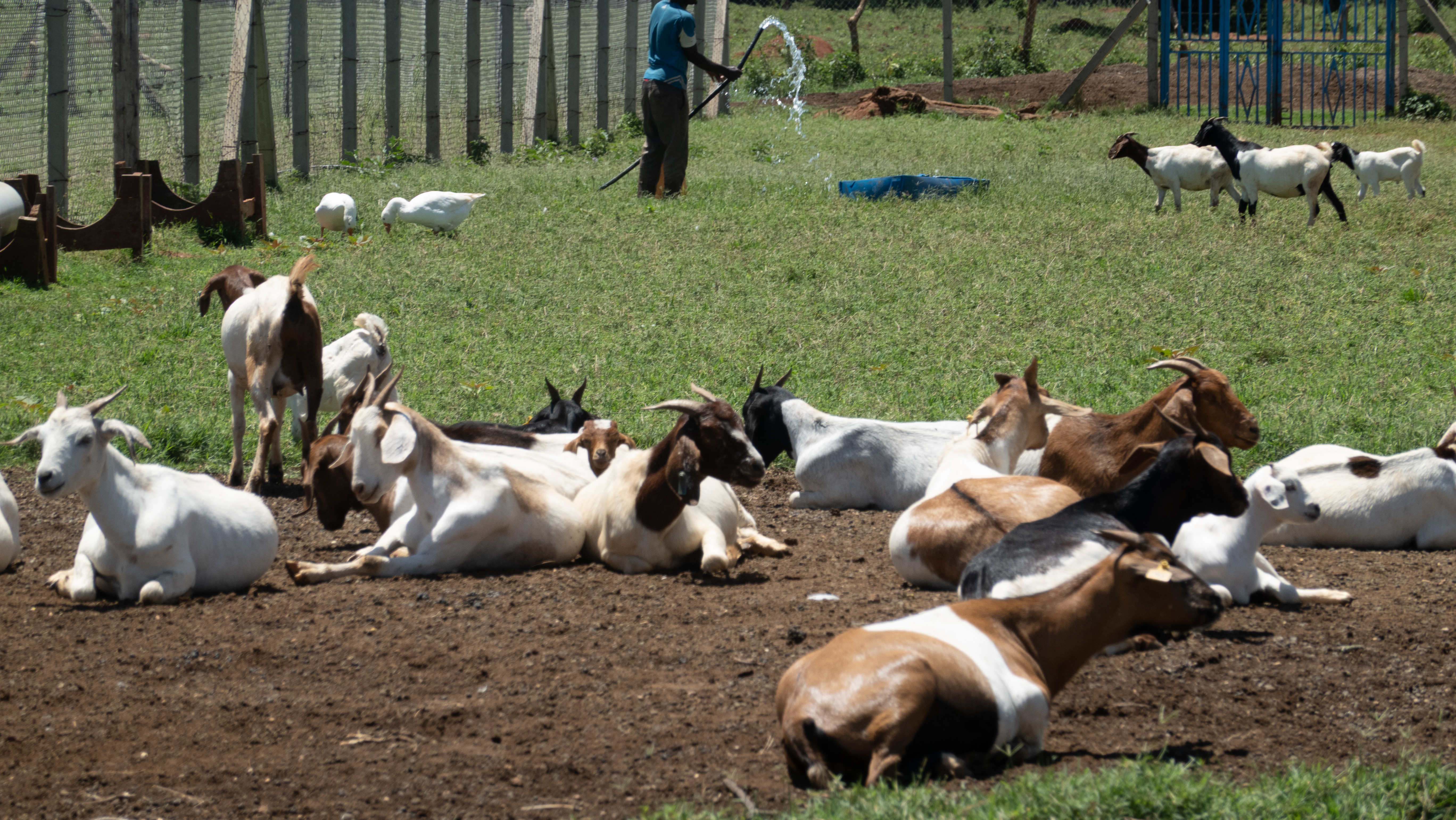
Building a core managed herd of 500–700 goats allows the development to sustainably market and sell 100–200 livestock annually.
This production scale generates a predictable $10k–$20k USD annually in clean, self-sustaining operations revenue to directly fund vulnerable child care.
Current Build Focus
Thanks to critical support, our heavy exterior boundary fencing is fully complete. The land is secure. Now, we must fund the specialized inner operational grid.
Immediate Project Requirements:
- ✔ Interior Pen Fencing: Vital for grazing management and livestock rotation.
- ✔ Shelter Construction: Shielding livestock from severe weather conditions.
- ✔ Birthing Protectives: Dedicated clean-zones to ensure high kid-survival rates.